Is it ADHD?

Think you might have ADHD? Read on to see the symptoms.

According to the DSM-V, Attention Deficit/Hyperactivity Disorder (ADHD) is a Neurodevelopmental Disorder.  What does that mean? It basically means that symptoms must begin during the developmental period.  If, as an adult, you’re just now noticing the symptoms, it’s probably not ADHD.

So, what is ADHD? And how do I know if I have it?

In order to have a diagnosis of ADHD, the symptoms must have developed during the developmental period AND symptoms must be persistent and interfere with functioning or development.

It also includes symptoms of Inattention, such as:

  • Failing to give close attention to work
  • Challenges sustaining attention in tasks or play activities
  • Does not seem to listening when being spoken to
  • Does not follow through
  • Challenges staying organized
  • Avoids challenging tasks
  • Loses items
  • Distractable
  • Forgetful

And Hyperactivity/Impulsivisty, such as:

  • Fidgets
  • Leaves seat
  • Challenges playing or engaging in leisure activities quietly
  • Feels “driven by a motor”
  • Talks excessively
  • Interrupts often
  • Challenges waiting turn

6 Nutritional Deficiencies Linked to Anxiety and Depression

Feeling particularly anxious or depressed lately? It might be due to lack of nutrients your body is receiving.  While mental health therapy and/or the use of medication is certainly helpful in some cases, looking into your nutritional states might also prove to be helpful. One way to start is getting blood work done to determine your body’s exact nutritional needs.  This is particularly helpful in that you are not throwing darts blindly.  But, if needles aren’t your thing- no problem- you could certainly try adding in one vitamin at a time for a week or so and noticing any improvements.  If you do start to feel better, you likely were deficient in that area.

Vitamin B-Complex

  • Helps with nervous system functioning.
  • Stress depletes level.
  • Depletion can lead to anxiety, fatigue, and mood problems
  • Studies have found Vitamin B helpful in treating anxiety, agoraphobia, and obsessive compulsive disorder.
  • Most common source of Vitamin B is from animal sources.
  • If you are vegan or vegetarian really need to check Vitamin B levels.
  • Some good sources are meat, turkey, whole grains, potatoes, bananas, and legumes.

Omega-3 Fatty Acid

  • Reduces inflammation and plays a critical role in brain functioning, especially memory and mood.
  • Body can’t make Omega-3 Fatty Acid so it’s important you supplement it.

Magnesium

  • Regulates the release of stress hormones.
  • Plays a part in more than 300 of the body’s biochemical reactions.
  • Studies have shown a strong connection between magnesium levels and anxiety and depression.
  • Magnesium rich foods include dark leafy vegetables, spinach, pumpkin seeds, whole grains, and fruits such as watermelon and figs.
  • Herbs are a great source of magnesium including cayenne pepper, parsley, fennel seed and paprika. Herbal teas are also great.

Vitamin D

  • The main source of Vitamin D is sunshine.
  • Research has linked low levels of Vitamin D to depression and anxiety.
  • Vitamin D enriched foods include fatty fish, fortified products such as milk, juice, and cheese, egg yolks, avocado.

Calcium

  • The nervous system needs calcium in order to operate effectively.
  • Mood issues can be the result of deficient levels of calcium.
  • Physical symptoms of calcium deficiency include shaking, heart palpitations, tingling sensations and numbness.
  • Calcium rich foods include dairy and soy products, tofu, almonds, oatmeal and green veggies.

Tryptophan

  • Although not a vitamin, it’s an essential amino acid that helps with stress and anxiety.
  • Tryptophan produces the compound 5-HTP, which converts into serotonin. Serotonin is often called the “feel good” drug and plays a pivotal role in the regulation of sleep, mood, and appetite.


Mindfulness


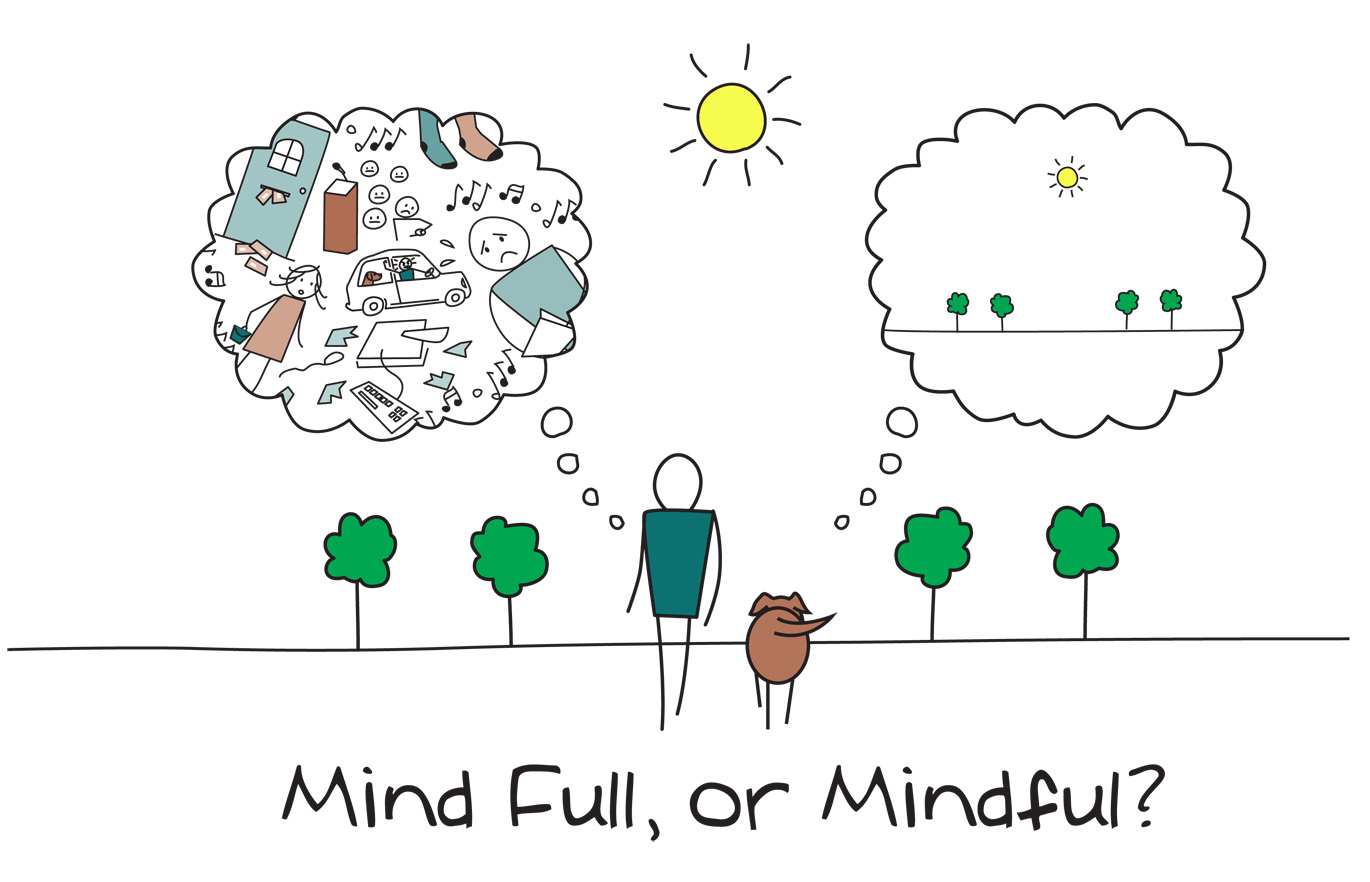
mindfulness_poster_UK

One thing we can do to improve our physical and mental health and overall well-being is practicing mindfulness.

What is Mindfulness and how do we get it?

Mindfulness is defined as, “the awareness that emerges through paying attention on purpose, in the present moment, and non-judgmentally to the unfolding of experience moment to moment”.

The Guest- House by Rumi

This being human is a guest-house every morning a new arrival.

A joy, a depression, a meanness, some momentary awareness comes as an unexpected visitor.

Welcome and entertain them all! Even if they’re a crowd of sorrow, who violently sweep our house empty of its furniture.

Still, greet each guest honorably.  He may be clearing you out for some new delight.

The dark thought, the shame, the malice, meet them at the door laughing, and invite them in.

Be grateful for whoever comes, because each has been sent as a guide from beyond.

____

There are 3 core elements of Mindfulness:

1. Intention:  This refers to one’s own vision or reason for practicing mindfulness.

2. Attention:  This refers to observing one’s experience as it is occurring the present moment.

3. Attitude:  This involves the nonjudgemental and open quality one brings to the moment by moment attention.

Mindfulness is a deep knowing and experiencing of what is taking place, as it is actually taking place, which arises out of consciously focusing on one’s moment by moment experience in an open and nonjudgemental way.

What can you do to practice mindfulness?

  • Yoga
  • Meditation
  • Body Scan meditation

You can also practice mindfulness by being present and taking in each moment.  You can do this by intense focusing on what you are doing.  For instance, I am sitting on a chair at my desk.  One leg is bent with my foot under me, while the other leg is hanging off of the chair.  I feel the cold sensation of the chair under my foot.  I feel the tightness in my knee from sitting with my foot under my body.  I feel my fingers typing on the computer and I hear the cars driving around outside of my home.  I hear my cat purring. I feel the air of the air conditioning on my skin.

How will you practice mindfulness today?

What is Nutritional Psychology?

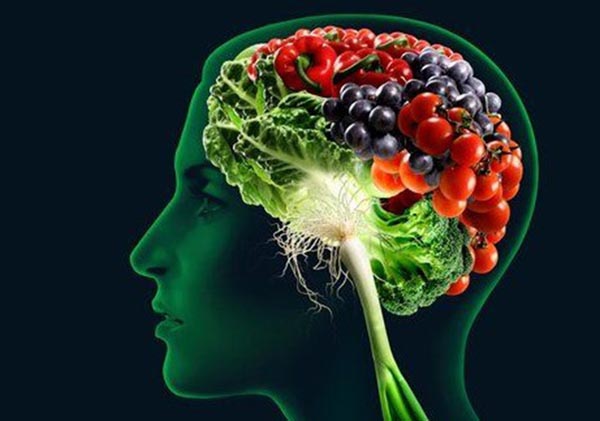
Nutritional Psychology is an exciting and newly emerging field that studies how our cognitive choices influence nutrition, psychological health and overall health. Nutritional psychology, at its core, seeks to understand the relationship between nutrition and well-being.

Is nutrition impacting our mental health?

OR

Is our mental health impacting nutrition?

While it’s commonly known that nutritional deficiencies can cause physical illness (think diabetes, celiac disease, etc.), there hasn’t been much focus on how nutritional deficiencies can be linked to mental health conditions such as stress, anxiety, depression, ADHD, and Autism Spectrum Disorder to name, a few.

Modern medicine is so focused on treating the symptoms, yet neglects investigating the root cause, leading to millions of dollars being spent on continued health care and procedures. It’s strange to me though although we’ve made so many advancements in modern medicine, many Americans remain chronically ill.  It makes sense to me that rather than focus on reactionary medicine, perhaps the focus should be preventative. One way to do this, is to start identifying the root cause of symptoms rather than the one-size-fits-all band-aid approach.  This isn’t to say that modern medicine is terrible— that would be farther than the truth, but in my opinion the focus needs to be on treating the whole person and trying to identify the root cause of what’s going on and hopefully precluding return visits to the doctor’s office for the same issue.

Okay, off my soap box…..

Nutritional Psychology explores the possibility of how nutrients, lifestyle, and behaviors can be causing and/or exacerbating those feelings of stress, anxiety, depression.  Although sometimes certainly needed, why take Adderall for ADHD when you can really treat the symptoms through diet and lifestyle changes?

Interested? I can’t wait to share more.